As farmers, we often speak of the sun, the soil, and the rhythm of the seasons. But there’s another element, an often-unseen force, that underpins every harvest, every seed’s journey from earth to your plate: water. At NityaTattva, on our organic farms nestled around Mandsaur in Madhya Pradesh, water isn’t just a resource; it’s a living lifeline, managed with deep respect and an understanding of its pivotal role in truly organic farming.
We talk about healthy soil, unpolished goodness, and the slow grind of stone-milled atta. All these stories, at their heart, are stories about water. The quality of water, how we manage its flow, and how we conserve every drop directly impacts the vitality of the plants, the richness of the soil, and ultimately, the flavor and nourishment that make NityaTattva food what it is.
Mandsaur's Water Story: Beyond Just Rain
Mandsaur is blessed with a unique geography. While we cherish the monsoon rains, our agricultural practices can’t solely rely on the skies. Our fields are supported by a network of wells and natural catchments that tap into the region's groundwater. This groundwater, naturally filtered through Mandsaur’s rich earth, is generally pure and free from industrial pollutants – a stark contrast to many other farming regions. This natural purity is the first step in ensuring the integrity of our organic crops.
But having access to good water is only half the story; using it wisely is the other. In organic farming, the focus isn't just on what you add (or don't add) to the soil, but on fostering a self-sustaining ecosystem. This means understanding the soil's capacity to hold moisture, the specific needs of each crop, and the natural cycles of depletion and replenishment.
The Organic Approach to Water Management: Respecting Every Drop
Our commitment to organic practices extends directly to how we manage water. This isn't about fancy, expensive technology, but rather about time-tested, earth-friendly methods coupled with careful observation:
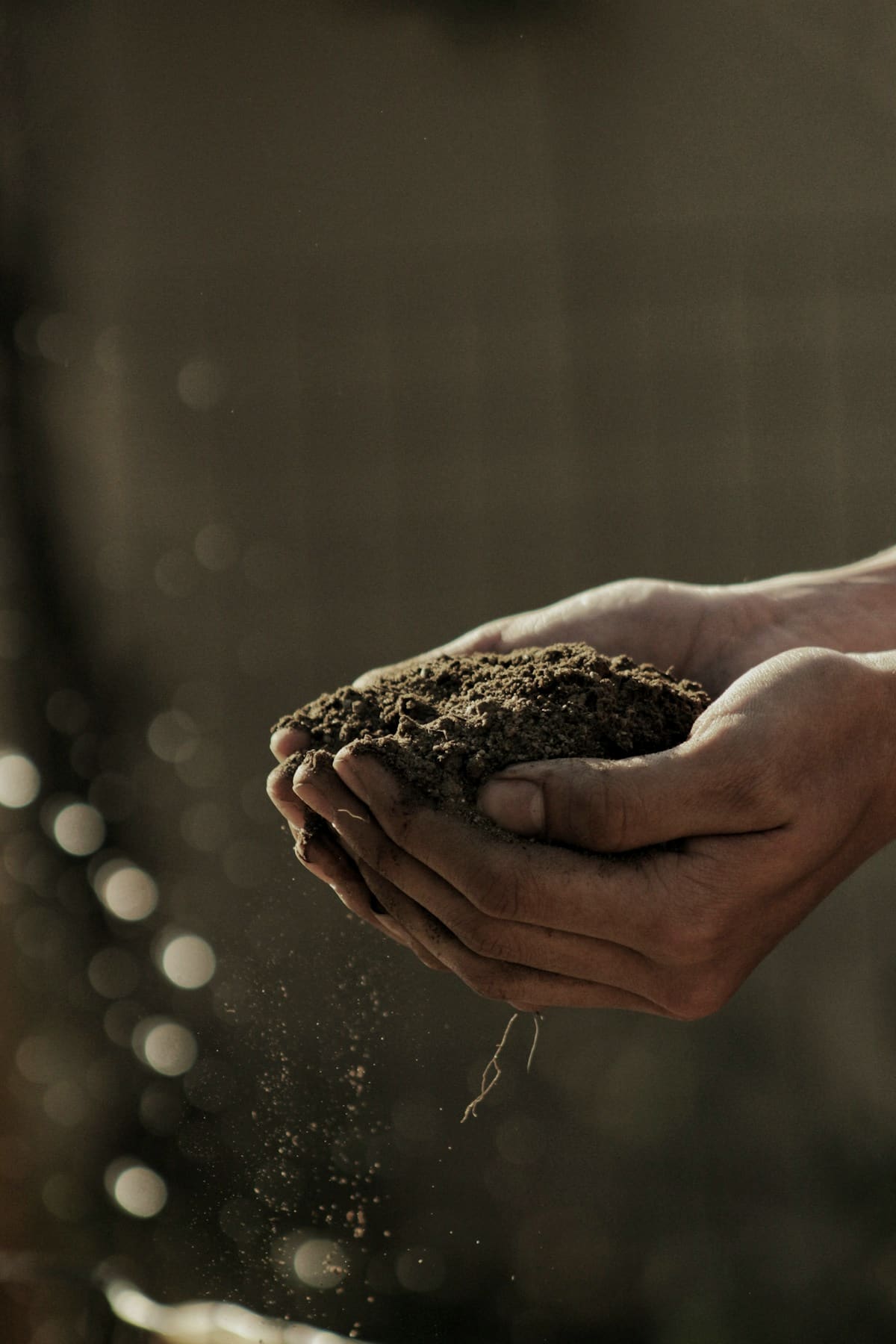
Soil Health as a Sponge: Healthy, organic soil, rich in organic matter (from compost and crop residues), acts like a giant sponge. It can absorb and retain far more water than depleted, chemically-treated soil. This reduces the need for frequent irrigation, making our fields more resilient during dry spells and preventing runoff during heavy rains. We focus heavily on composting and cover cropping to continuously enrich our soil's water-holding capacity.
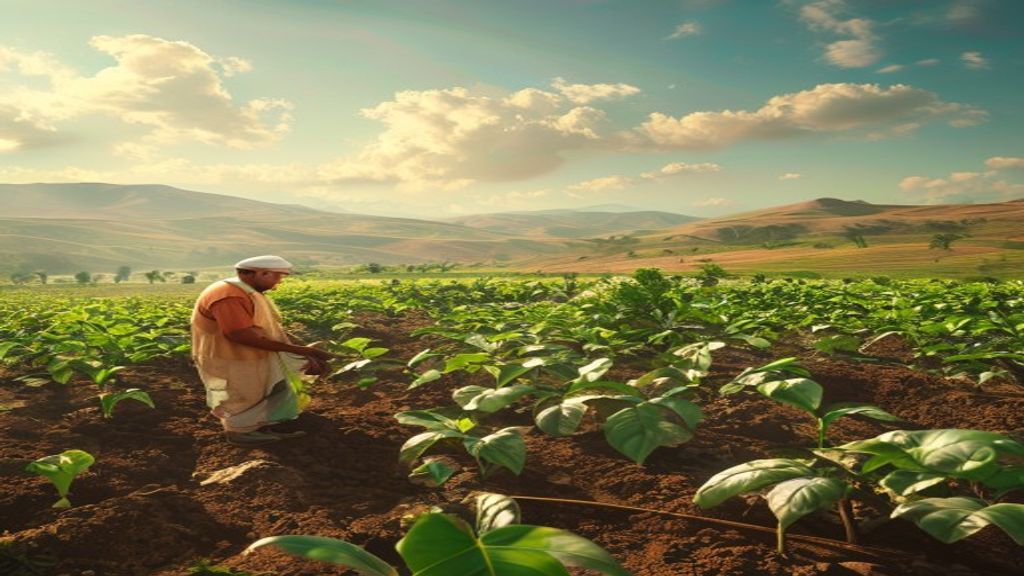
Mindful Irrigation: While we embrace rain, supplementary irrigation is sometimes necessary. We prioritize methods that deliver water directly to the plant roots, minimizing evaporation. This means careful planning of furrows, and sometimes, for specific crops, using drip irrigation where water is slowly released near the plant base. It’s about precision, not wasteful flooding.
Crop Rotation for Balance: Different crops have different water requirements and root depths. By rotating pulses like Tur (Arhar Dal) or Moong (Green Gram) with other crops, we allow the soil to rest, recover, and manage its moisture levels naturally. Pulses, for instance, are often less water-intensive than some other crops, making them a sustainable choice for our region.
Mulching with Nature's Blanket: After harvesting, or even during growth, we often use organic matter – crop residues, dried leaves – as mulch. This natural blanket covers the soil, reduces evaporation, suppresses weeds (which compete for water), and slowly breaks down to enrich the soil further. It’s a simple, ancient technique that brings immense benefits.
Every decision, from choosing what to plant to how we prepare the soil, is made with water conservation in mind. It's not just about saving money; it's about respecting the planet's finite resources and ensuring the long-term health of our farms.
How Water Shapes Your Food: A Deeper Connection
When we talk about the honest taste of NityaTattva’s pulses and single-origin spices, the water story is a silent but significant chapter. Plants, much like us, are largely composed of water. The purity of the water they absorb directly influences their cellular structure, nutrient uptake, and ultimately, their flavor profile.
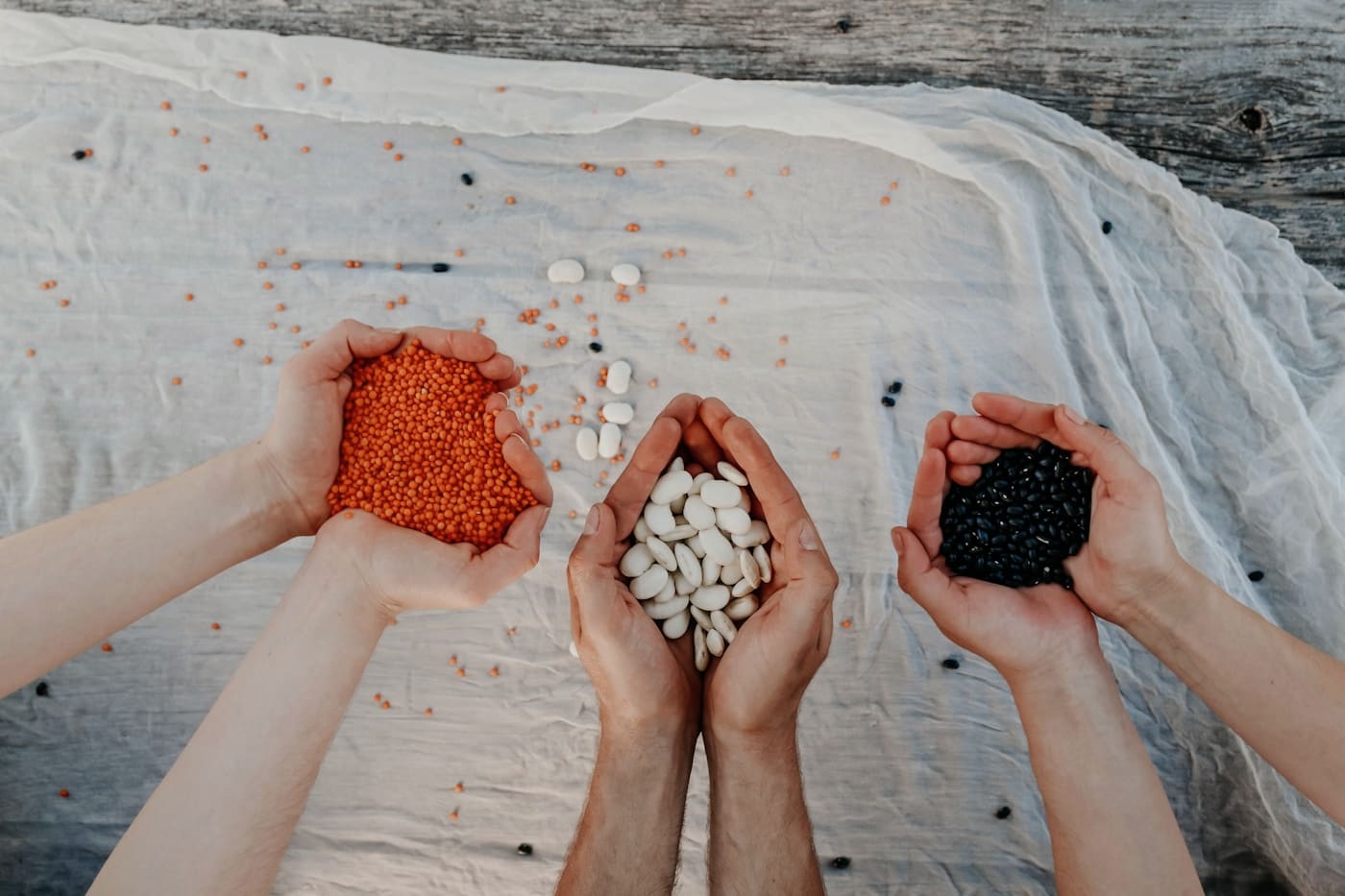
Our organic pulses, grown with clean water and nurtured by healthy soil, develop a robust, authentic taste. Our spices, like the potent Haldi from Mandsaur, draw their distinct character and aromatic compounds from the very water that nourishes them. There’s a noticeable difference in the vibrance and depth of flavor when food is grown naturally, without the harsh chemicals that can strip the soil of its vitality and affect water quality.
This holistic approach means you're not just getting a bag of dal or a jar of spice; you’re receiving the essence of Mandsaur’s clean earth, its carefully managed water, and the diligent efforts of our farmers. It’s food that carries the story of its origin, from the invisible lifeline of water to your Bangalore kitchen.
At NityaTattva, we believe that understanding these fundamental connections – from the water in the soil to the food on your plate – enriches your cooking and your life. It’s a reminder that truly good food comes from a place of balance, respect, and a deep appreciation for nature’s invisible lifelines.