In our fast-paced lives, convenience often nudges out tradition. We look for quick fixes, even when it comes to keeping our food fresh. But what if the best answers have been whispered down generations, right in our own kitchens? At NityaTattva, where every pulse and spice carries the story of Mandsaur’s soil and every grain of atta breathes the spirit of Ratlam’s stone mill, we believe in bringing back that old wisdom. It’s about more than just food; it’s about a mindful way of living and respecting the earth’s bounty.
Our journey from the organic fields of Mandsaur to your kitchen in Bangalore is a gentle one, preserving the natural goodness. But once these pure ingredients arrive, how do you ensure their freshness and vitality last? The answer lies in the 'silent keepers' – traditional Indian storage methods that don't rely on chemicals or complex technology, but on observation, understanding, and respect for nature's rhythms.
Why Traditional Storage Matters More for Real Food
Think about the food on a supermarket shelf. Many packaged goods contain preservatives designed to extend their life, often masking a lack of inherent freshness. But NityaTattva’s organic pulses, single-origin spices, and stone-milled atta are different. They are real, unpolished, and untainted by artificial additives. This purity is their strength, but it also means they behave differently than their industrially processed counterparts.
Because our food is alive with natural enzymes and nutrients – especially our stone-milled atta which retains the germ and bran – it needs a little more understanding. It's like a plant that thrives in its right environment; traditional storage methods create that 'right environment' within your home, letting the goodness last longer without losing its essence. When you buy our organic masoor dal or single-origin turmeric from nityatattva.in, you’re bringing home a piece of Mandsaur’s honest harvest. Protecting that goodness is a continuation of our farm’s philosophy.
The Wisdom of Our Grandmothers: Key Principles
Our grandmothers knew a thing or two about keeping food fresh. Their kitchens were laboratories of natural preservation, guided by simple, effective principles:
Dryness is King
Moisture is the biggest enemy of dry goods. It invites mold, bacteria, and pests. Traditional storage prioritizes keeping things absolutely dry. This often means sun-drying pulses or spices before storage, ensuring they are free from any residual dampness.
Airflow and Ventilation
While airtight containers are crucial for some items, proper ventilation in the storage area prevents dampness and allows the ingredients to 'breathe,' deterring condensation and mold growth in the long run. Cupboards should be airy, not stuffy.
Natural Repellents
Before chemical pesticides, our ancestors used what nature provided. Neem leaves, dried red chillies, cloves, and even a pinch of asafoetida (heeng) were common additions to storage containers. These natural elements act as deterrents for common pantry pests, gently keeping your food safe.
Cool, Dark Places
Heat and light degrade nutrients and flavors. Storing items in cool, dark cupboards, away from direct sunlight or heat sources like stoves, was fundamental. This slows down oxidation and preserves the potency of spices and the life in pulses.
Material Matters
Traditional wisdom often favored earthenware, glass, or metal containers over plastic. These materials are non-reactive, don't leach chemicals, and often provide better insulation, maintaining a stable internal temperature.
Practical Tips for Your NityaTattva Kitchen
Bringing these principles into your Bangalore kitchen for your NityaTattva products is simpler than you might think:
For NityaTattva Pulses (Dal)
Our organic pulses like Toor Dal or Moong Dal are unpolished, meaning they retain their natural protective layer. To keep them fresh:
- Containers: Store in clean, dry, airtight glass or steel containers. This is crucial to prevent moisture ingress and pest infestation.
- Natural Guards: Add a few dried neem leaves (if available) or 2-3 dried whole red chillies on top of the dal in the container. These act as gentle insect deterrents.
- Location: Keep containers in a cool, dark pantry or cupboard, away from direct sunlight or humidity. Avoid storing them near the sink or stove.
- Quantity: Buy in manageable quantities that you can consume within 3-6 months. While pulses can last longer, using them fresher ensures better taste and nutrition.
For NityaTattva Single-Origin Spices
Our single-origin spices from Mandsaur, like our turmeric or chilli powder, are potent and pure. Preserving their aroma and flavor is key:
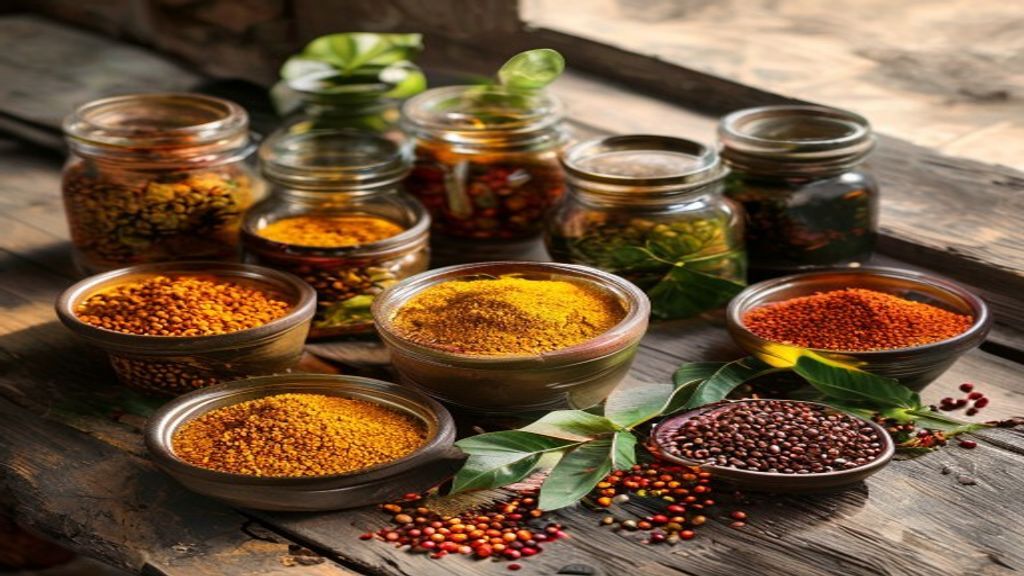
- Containers: Use opaque, airtight glass jars or tins. Light is a major culprit for flavor degradation in spices. Clear jars look nice, but are not ideal for long-term spice storage.
- Whole vs. Ground: Whenever possible, buy whole spices (like black pepper, cumin seeds, cloves) and grind them fresh as needed. Whole spices retain their volatile oils much longer than pre-ground ones. NityaTattva's whole spices are exceptional for this.
- Location: Store in a cool, dark, dry place. The refrigerator is generally not needed for dry spices and can introduce moisture.
- Avoid Steam: Keep your spice jars away from the stove while cooking. Steam can get into the jars, introducing moisture and shortening their shelf life.
For NityaTattva Stone-Milled Atta
Our chakki-ground atta from Ratlam is a 'living' flour, retaining the germ and bran. This means it has more nutrients but also a shorter shelf life than highly refined, roller-milled flours:
- Containers: Transfer atta immediately to a clean, dry, airtight container made of steel or glass.
- Location: Store in a cool, dark place. For longer storage, especially in humid climates, the refrigerator can be an option, but ensure the container is truly airtight to prevent moisture absorption and odor transfer.
- Usage: Aim to use stone-milled atta within 1-2 months for optimal freshness and nutritional value. The natural oils in the germ can eventually turn rancid if stored too long at room temperature.
Connecting to a Mindful Kitchen
Embracing these traditional storage methods is more than just a chore; it’s an act of mindfulness. It connects you to the journey your food has taken from our farms in Mandsaur, through the chakki in Ratlam, to your home. It honors the effort of the farmer and the purity of the land.
At NityaTattva, we're not just selling organic food; we're inviting you to a more honest, earthy way of living. By understanding and respecting our food, from how it's grown to how it's kept, we truly bring the essence of the farm into our Bangalore kitchens. Let these 'silent keepers' transform your approach to food, nurturing both your ingredients and your well-being.