Namaste, friends. When we talk about food, we're not just talking about what fills our plates, but what truly nourishes our bodies and connects us to the earth. For generations in India, atta has been the foundation of our meals, shaping the rotis, parathas, and pooris that bring families together.
But not all atta is created equal. In our hurried world, convenience often pushes tradition aside, sometimes at the cost of genuine goodness. At NityaTattva, nestled between the organic fields of Mandsaur and the traditional stone mills of Ratlam, we believe in bringing you food as it was meant to be – wholesome, honest, and truly nourishing. And when it comes to atta, that means stone-milled chakki atta.
Let's sit down, as if over a cup of chai, and talk about why the way your flour is made matters so much.
The Difference You Can't See (But Can Taste and Feel): Stone vs. Steel
Walk into most modern flour mills today, and you'll see large steel rollers. These machines process wheat at very high speeds and temperatures. While efficient, this method has a significant drawback: it separates the wheat kernel's three main parts – the bran (outer layer, rich in fiber), the germ (embryo, packed with nutrients and healthy fats), and the endosperm (starchy inner part). Often, to achieve a 'refined' white flour, the bran and germ are completely removed, and sometimes, to make up for the lost nutrients, synthetic vitamins are added back later.
This high-speed, high-heat process also degrades the natural oils and heat-sensitive vitamins present in the wheat, essentially stripping the grain of much of its life force and flavor.
Now, imagine our stone mill in Ratlam. Here, we use traditional chakki stones. The process is slow, gentle, and deliberate. The wheat grains are ground between two heavy stones at a low speed, which ensures minimal heat generation. This cool grinding process keeps the entire kernel – bran, germ, and endosperm – intact. It doesn't strip away the essential oils, dietary fiber, or the wealth of vitamins and minerals naturally present in the wheat. What you get is whole wheat flour, true to its name, with all its inherent goodness preserved.
More Than Just Fiber: A Nutritional Powerhouse
Choosing stone-milled atta isn't just about opting for tradition; it's a conscious choice for superior nutrition. When the bran and germ are retained, you're not just getting more fiber (which is crucial for digestion and sustained energy release).
- Rich in Fiber: The bran provides insoluble fiber, which aids in digestive health, helps regulate blood sugar, and keeps you feeling fuller for longer. This means fewer unhealthy cravings and more stable energy throughout your day.
- Vitamin & Mineral Goldmine: The germ is a nutritional powerhouse, abundant in B vitamins (thiamine, riboflavin, niacin, folate), Vitamin E, iron, magnesium, zinc, and other trace minerals. These are vital for energy production, nerve function, and overall cellular health. Roller-milled flours often lose a significant portion of these heat-sensitive nutrients.
- Healthy Fats & Antioxidants: The germ also contains essential fatty acids and natural antioxidants, which are crucial for fighting oxidative stress in the body. These natural oils also contribute to the unique flavor profile of stone-milled atta.
By preserving these components, chakki atta offers a more complete nutritional package, making your rotis not just a carrier for your sabzi, but a source of genuine vitality.
The Taste of Tradition: Flavor and Texture
Beyond the science, there's the undeniable experience. Have you ever noticed the distinct, earthy aroma of freshly ground atta? That's the essence of the whole grain. Stone-milled atta has a richer, nuttier flavor profile than its roller-milled counterparts. This isn't just a fancy description; it's because all the natural oils and compounds are still present and haven't been 'cooked out' by high heat.
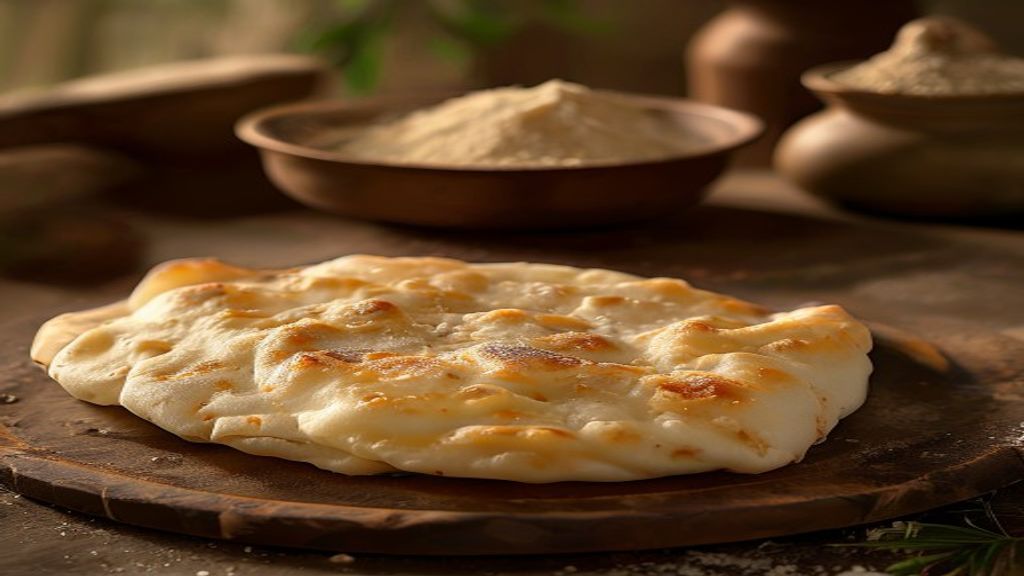
This rich flavor translates directly into your food. Rotis made with NityaTattva's chakki atta are not only more fragrant but also possess a wonderful soft texture and pliability. The dough is often easier to work with, absorbing water differently and resulting in rotis that remain soft even hours after cooking. It’s a subtle but significant difference that elevates everyday meals from mundane to memorable.
From Ratlam to Your Kitchen: Our Promise
At NityaTattva, our journey for atta begins with carefully selected, organic wheat. We then bring this wheat to our traditional stone mill in Ratlam. Here, skilled hands oversee the slow grinding process, ensuring every batch maintains its integrity and nutritional value. The freshly milled atta is then packed and sent directly to kitchens in Bangalore, ensuring you receive it as fresh as possible, retaining its natural vitality.
We believe in traceability, in knowing where our food comes from, and how it's made. It’s not just about selling a product; it’s about sharing a philosophy – one that values genuine nourishment, respect for tradition, and an honest connection to the land.
So, the next time you prepare your daily roti, consider the journey of the atta. Choosing stone-milled chakki atta isn't just a preference; it's a step towards healthier eating, a nod to time-honored wisdom, and a choice for taste that truly satisfies. Explore the goodness of NityaTattva's range at nityatattva.in.