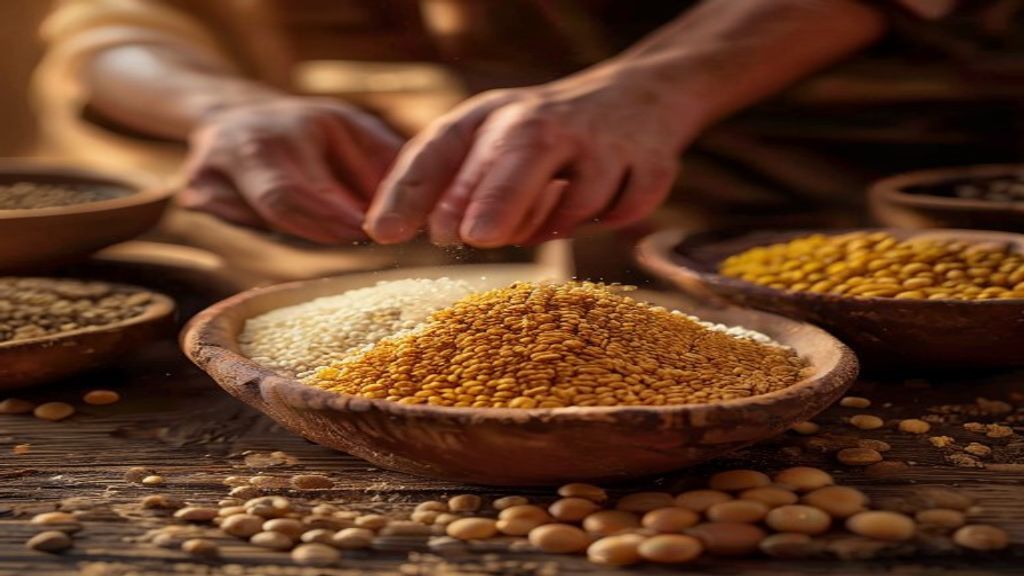
The Unseen Layer: Why NityaTattva's Unpolished Pulses Make a Difference
When you scoop a handful of dal into your cooking pot, have you ever really thought about how it got there? Beyond the journey from farm to market, there’s another, often unseen, story playing out – the story of whether that pulse is polished or unpolished. At NityaTattva, we believe in bringing you food as close to nature as possible. That’s why our pulses, grown with care in the fertile lands around Mandsaur, are always unpolished.
You might be wondering, what exactly does "unpolished" mean? And why does it matter? Let's sit down for a moment, perhaps over a cup of chai, and talk about it, just like we would on the farm.
What is Polishing, and Why Does it Happen?
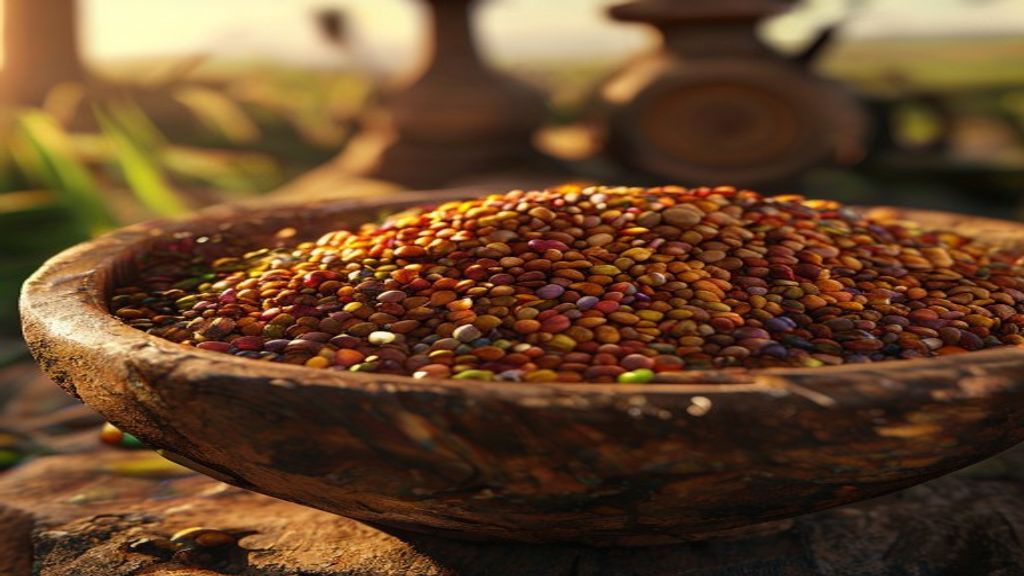
Think of a pulse – say, a Toor Dal – straight from its pod. It comes with a natural, delicate outer layer, often called the husk or bran. This layer is nature’s own protective shield, packed with goodness.
Traditionally, in homes across India, pulses were cleaned and minimally processed, keeping this outer layer intact. But in modern processing, many pulses undergo a "polishing" process. This involves machines that rub away this natural outer layer, sometimes with oil, water, or even marble powder, to give the dal a uniform, shiny appearance. Why do this? For a few reasons:
- Aesthetics: A shiny, uniform dal looks "cleaner" and more appealing on supermarket shelves.
- Perceived Purity: Some believe it indicates a higher quality, free from natural dust or imperfections.
- Faster Cooking (sometimes): Removing the outer layer can slightly reduce cooking time.
- Extended Shelf Life (debated): Some claim it prevents insect infestation, though proper storage is key regardless.
However, this quest for a perfect look comes at a cost, a cost to the very goodness of the pulse.
Nature's Own Packaging: The Power of the Outer Layer
That "unseen layer" we talk about isn't just a covering; it's a treasure trove of nutrition. The bran and germ of pulses are where a significant amount of their dietary fiber, B vitamins, and essential minerals like iron, magnesium, and zinc are concentrated.
When pulses are polished, a good portion of these vital nutrients are stripped away. It's like peeling an apple just to make it look shinier, discarding much of the fiber and vitamins found right beneath the skin. You’re left with a pulse that might cook a little faster or look a little brighter, but it's a pulse diminished in its inherent value.
For us, growing organic pulses in Mandsaur, our aim is to nurture food that truly nourishes. To then take that produce and strip it of its natural benefits feels counter to everything we stand for. We believe that true beauty and quality lie in retaining nature's whole design.
Beyond Just Nutrition: A Matter of Taste and Earthiness
The difference with unpolished pulses isn't just about what you lose; it's also about what you gain. Or rather, what you retain.
Unpolished pulses carry a richer, more authentic flavor. That earthy, slightly nutty taste you associate with a hearty, home-cooked dal? Much of it comes from that natural outer layer. When it's removed, the dal can taste blander, losing some of its characteristic depth.
They also often have a more satisfying texture. While they might take a little longer to cook or require a bit more soaking (a small effort for big returns, we think!), they hold their shape better and offer a more wholesome mouthfeel. It's the difference between a perfectly ripe, naturally grown fruit and one that’s been processed for uniform appearance. One simply tastes more real.
NityaTattva's Choice: Honesty from Mandsaur to Bangalore
Our commitment to unpolished pulses isn't just a marketing choice; it's a foundational principle. From the moment our organic seeds are sown in the rich, living soil of our Mandsaur farms, through careful cultivation without synthetic pesticides or fertilizers, to the final packaging, every step is designed to preserve the pulse's natural integrity.
When the pulses arrive at our facility for cleaning, we employ gentle methods that remove only impurities like dust, small stones, or broken bits, leaving the valuable outer layer untouched. This is a meticulous process, done in small batches, ensuring that what reaches your kitchen in Bangalore is as pure and wholesome as it was meant to be. We don't chase after artificial shine or speed. We chase after honest quality.
This commitment extends to our transparent supply chain. You know exactly where your food comes from – our farms in Mandsaur – and that it travels directly, without unnecessary intermediaries or harsh processing, to your doorstep. It’s about trust, traceability, and ensuring that the food you put on your family's table is genuinely good.
Bringing Unpolished Goodness to Your Kitchen
Bringing unpolished pulses into your daily cooking might require a slight shift in habit, but the rewards are immense. Here are a few tips:
- Soak Them Right: Most unpolished dals benefit from a good soak. For tougher varieties like whole dals or chana dal, soaking for 6-8 hours, or even overnight, can significantly reduce cooking time and make them easier to digest. Lighter dals like split moong dal might only need 30 minutes to an hour.
- Rinse Thoroughly: A good rinse before cooking helps remove any residual dust and ensures clarity in your dal.
- Appreciate the Texture: Don't expect them to melt into a paste as quickly as polished dals. Embrace their natural bite and texture; it's part of their charm and contributes to a more satisfying meal.
- Store Them Well: Like all natural products, unpolished pulses thrive in cool, dry, airtight containers. This helps maintain their freshness and keeps any unwelcome guests away.
Choosing NityaTattva's unpolished pulses means choosing food that respects nature's wisdom. It means opting for more fiber, more vitamins, more minerals, and undeniably, more authentic flavor in every single bite. It's a small choice that makes a big difference to your well-being and to the true taste of your cooking.
We believe that real food doesn't need to be dressed up. It just needs to be honest. And that's what you'll find in every packet of NityaTattva pulses.