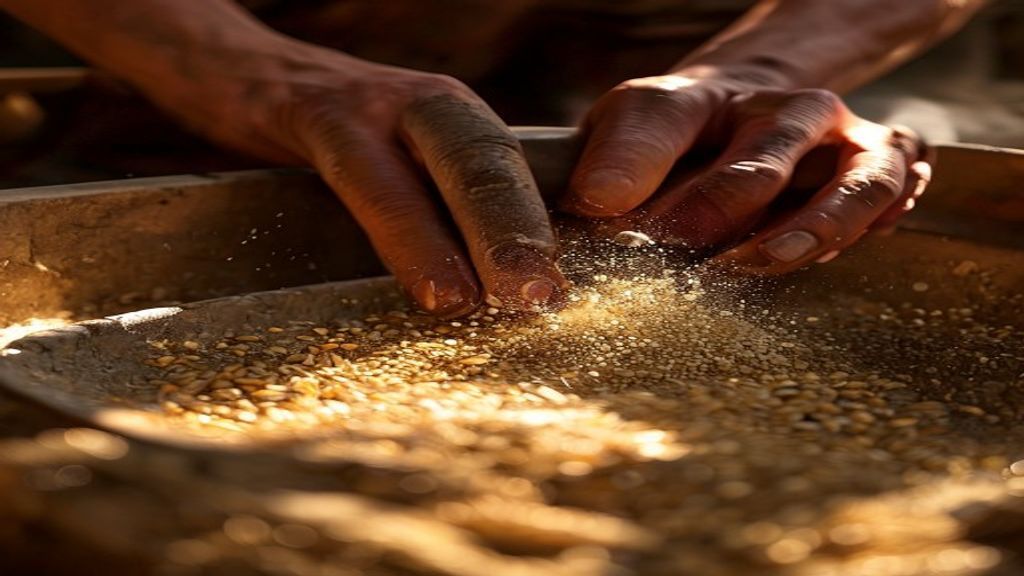
In a world buzzing with quick fixes and mass production, we at NityaTattva often find ourselves talking about the 'what' – what makes our organic pulses different, what's special about our stone-milled atta, or why single-origin spices matter. But today, I want to talk about the 'who' and the 'how'. Because behind every bag of dal, every packet of atta, there are unseen hands, decades of inherited wisdom, and a spirit of community that truly defines what NityaTattva brings to your kitchen in Bangalore.
It's easy to see 'organic' as just a label. For us, it’s a commitment, yes, but it’s also a deeply human endeavour. It's about the people who cultivate our food, care for the land, and transform raw ingredients with patience and skill. These aren't just steps in a supply chain; they are chapters in a story of tradition, craft, and an unwavering respect for nature.
The Mandsaur Earth, Nurtured by Generations
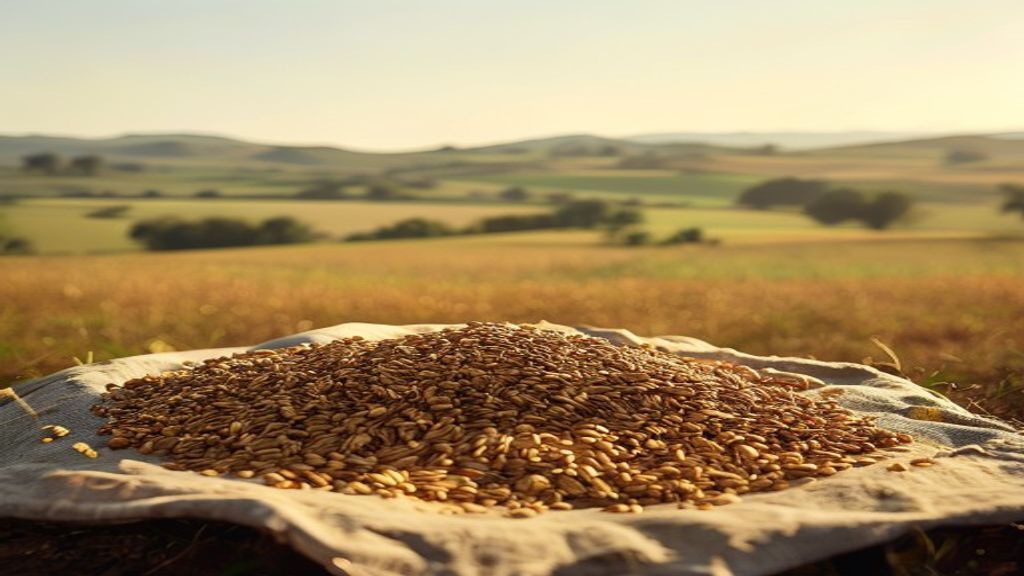
Our journey begins in the heart of Madhya Pradesh, in the fertile lands around Mandsaur. Here, our farmers aren't just growing crops; they're continuing a legacy. Many of these families have tilled this soil for generations, learning its nuances, understanding the rhythms of the monsoon, and knowing exactly when to sow and when to harvest. Their knowledge isn't found in textbooks; it's passed down through whispered stories, shared experiences, and countless seasons under the sun.
When we talk about organic farming, it’s not just about avoiding chemicals. It’s about building soil health from the ground up – literally. It's about composting, crop rotation, and nurturing beneficial insects, all guided by that ancestral wisdom. Imagine a farmer walking through his field, not just looking at the plants, but feeling the soil between his fingers, knowing instinctively what it needs. This connection to the land is what makes our organic pulses and spices so unique. They thrive in an environment where the earth is treated as a living entity, not just a substrate for growth. This careful cultivation translates directly into the robust flavour and inherent goodness you taste. It's the taste of patience, of respect, and of generations tending to the same patch of earth.
The Art of the Grind: Ratlam's Stone Millers
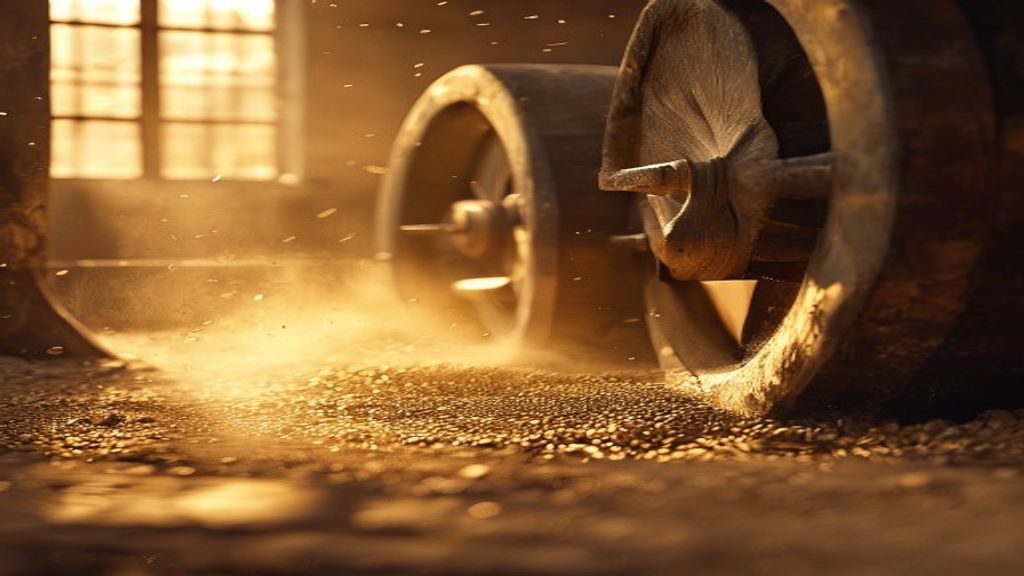
Once harvested, our grains and pulses embark on a short journey to Ratlam, where another set of skilled hands takes over. This is where our atta is stone-milled, or chakki-ground, a process that many might see as simple. But let me tell you, operating a traditional chakki mill is an art form, a craft that demands precision and intuition.
Unlike modern roller mills that rapidly strip the wheat kernel of its bran and germ, generating heat and diminishing nutritional value, our chakki millers work with a different philosophy. They understand that the stone-milling process must be slow. Too fast, and friction creates heat, destroying delicate oils and nutrients. Too slow, and the texture won't be right. An experienced miller knows how to adjust the speed, the pressure between the stones, and the rate at which the wheat flows, all by feel and sound. They're listening to the subtle hum of the stones, feeling the texture of the flour as it emerges.
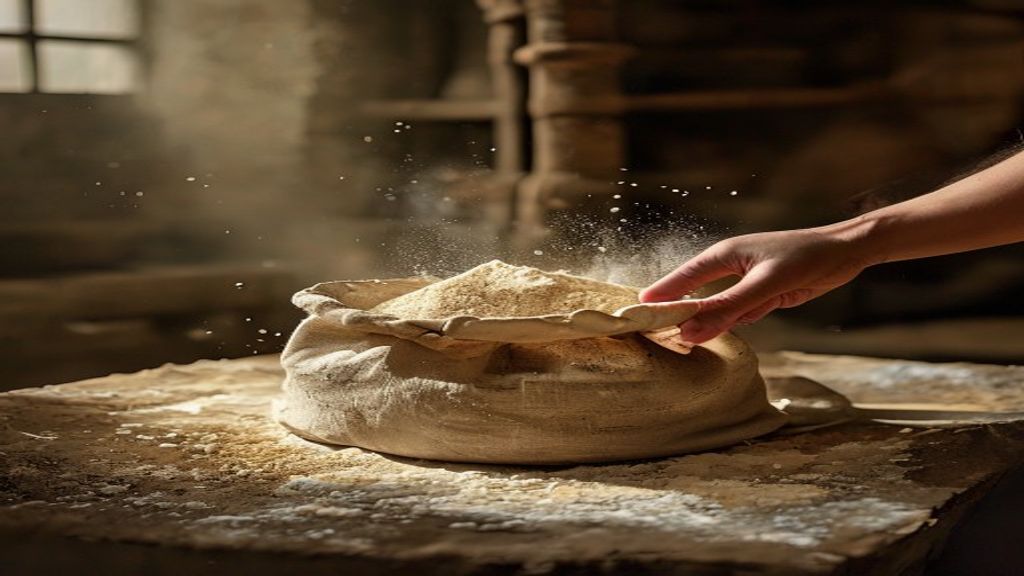
This meticulous attention ensures that the entire wheat kernel – the nutrient-rich germ, the fibre-packed bran, and the starchy endosperm – is gently ground together. The result is a whole wheat flour, or atta, that retains its natural goodness, its distinct aroma, and its living enzymes. It’s a flour that truly smells of wheat, not just dust. And you feel the difference in your dough, in the pliability of your rotis, and most importantly, in the honest, earthy flavour it brings to your meal. This isn't just milling; it's a careful preservation of nature's bounty, guided by human skill.
From Our Hands to Your Home: The Journey of Care
After the pulses are cleaned and the atta is milled, the journey continues with the same level of human care. We deal in small batches, ensuring that every lot is handled with attention to detail. This isn't just about efficiency; it's about maintaining quality and freshness. Each batch is inspected, sorted, and packed by hand. It’s another layer of human oversight that modern, automated systems often miss.
When you order from nityatattva.in, whether it's our organic Toor Dal or our fragrant Cumin Seeds, you're not just getting a product; you're receiving the culmination of this dedicated human effort. From the Mandsaur fields to the Ratlam mill and then on to your kitchen in Bangalore, there’s a direct line, a thread of care. We believe this direct-to-consumer model is crucial. It allows us to maintain the integrity of our food, to ensure its freshness, and most importantly, to connect you, our customer, directly to these unseen hands and the communities they represent.
This human connection is the core of NityaTattva. It's about supporting traditional farming methods that are gentle on the earth, ensuring fair livelihoods for our farmers and millers, and preserving valuable artisanal skills. When you choose NityaTattva, you're not just making a choice for your health; you're making a choice that values craft, community, and the honest, earthy goodness that comes from food made with genuine care. It’s a choice for food with soul, made by hands that truly understand its worth.