Every kitchen in India knows atta. It’s the heart of our meals, the foundation for our rotis, parathas, and puris. But have you ever paused to think about how that atta is made? At NityaTattva, we believe the journey of our organic wheat from the Mandsaur farms to our stone-mill in Ratlam, and finally to your kitchen in Bangalore, is as crucial as the soil it grows in. And at the core of that journey lies a commitment to a process that might seem slow in today's fast-paced world: the slow grind of traditional chakki milling.
The Heart of the Matter: Why "Slow"?
In a world that constantly pushes for faster, cheaper, more efficient, choosing a slow process might seem counterintuitive. Yet, for our atta, "slow" isn't a drawback; it's the secret ingredient. Modern roller mills, designed for speed and high volume, use metal rollers that generate significant heat during the grinding process. This heat might make production quicker, but it comes at a cost. The delicate germ, which is rich in essential oils, vitamins, and minerals, is often separated or damaged. The bran, packed with fiber, can also be stripped away or finely pulverised in a way that alters its integrity. The result? Atta that might look fine and white, but has lost much of its nutritional punch and, crucially, its natural character.
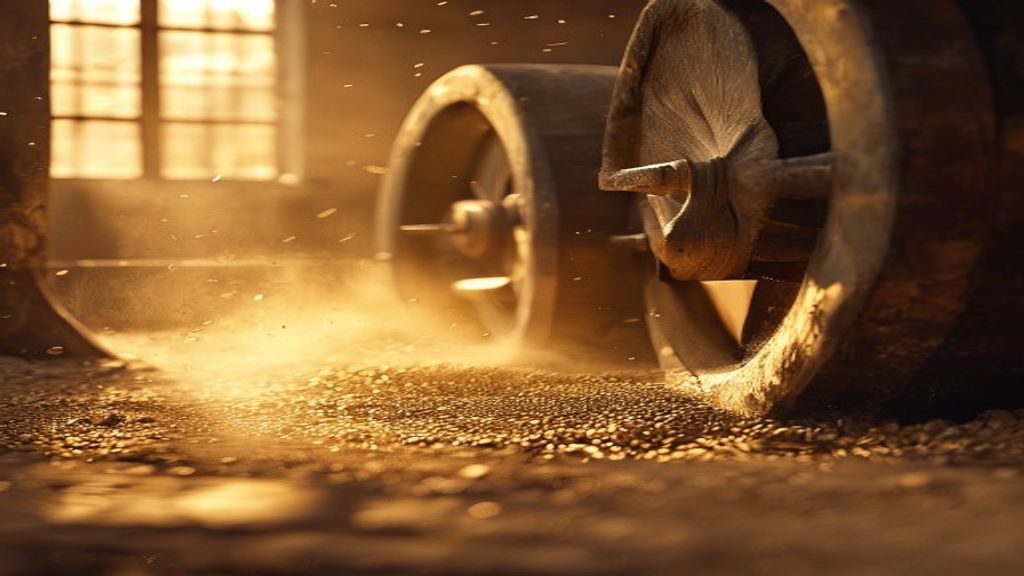
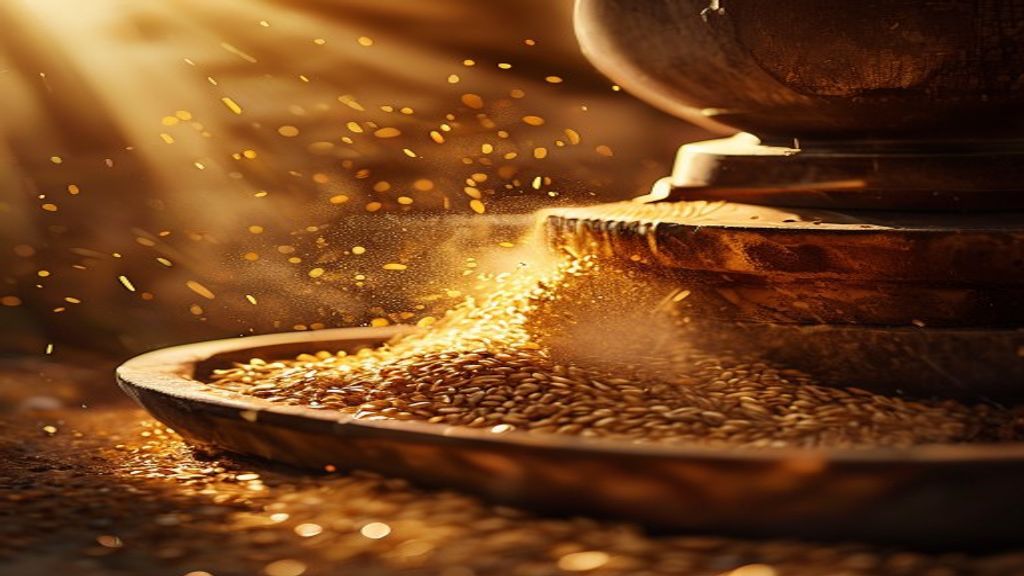
Our traditional stone-milling, or chakki grinding, in Ratlam, couldn't be more different. We use age-old stone chakki mills that rotate at a much slower speed. This gentle friction generates minimal heat, ensuring that the wheat grain is ground, not cooked. The entire grain – the outer bran, the nutrient-dense germ, and the starchy endosperm – is kept together, finely milled into whole wheat flour. This isn't just about preserving "whole wheat" in theory; it's about preserving the living goodness within each grain. It’s a patient process, yes, but one that respects the wheat and everything it offers.
The Science of Patience: Preserving Life in Every Grain
What exactly is saved by this slow, deliberate grind? A lot more than you might imagine. When wheat is milled slowly and at low temperatures, its vital components remain intact.
- Dietary Fiber: The bran, a rich source of fiber, helps with digestion, regulates blood sugar levels, and keeps you feeling full. In rapidly milled flours, this fiber can be compromised. Our atta ensures you get all that natural goodness.
- Essential Oils: The germ of the wheat kernel is a treasure trove of healthy fats and oils, which are incredibly sensitive to heat. These oils are not only good for your health but are also responsible for the distinctive, earthy aroma and rich flavour of truly fresh atta. High-heat milling destroys these delicate oils, leading to a bland product with a shorter natural shelf life.
- Vitamins and Minerals: Wheat germ and bran are packed with B-complex vitamins (like thiamine, riboflavin, niacin, and folate) and minerals such as magnesium, phosphorus, and zinc. These nutrients are crucial for energy production, nerve function, and overall well-being. The low-heat process ensures these micronutrients aren't degraded.
The result of this preserved integrity isn't just better nutrition; it’s better digestion. Many people find that stone-milled atta is lighter on the stomach, contributing to a feeling of sustained energy rather than a heavy, sluggish feeling. It's food that truly nourishes, from the inside out.
From Ratlam's Mill to Bangalore's Kitchen: A Journey of Care
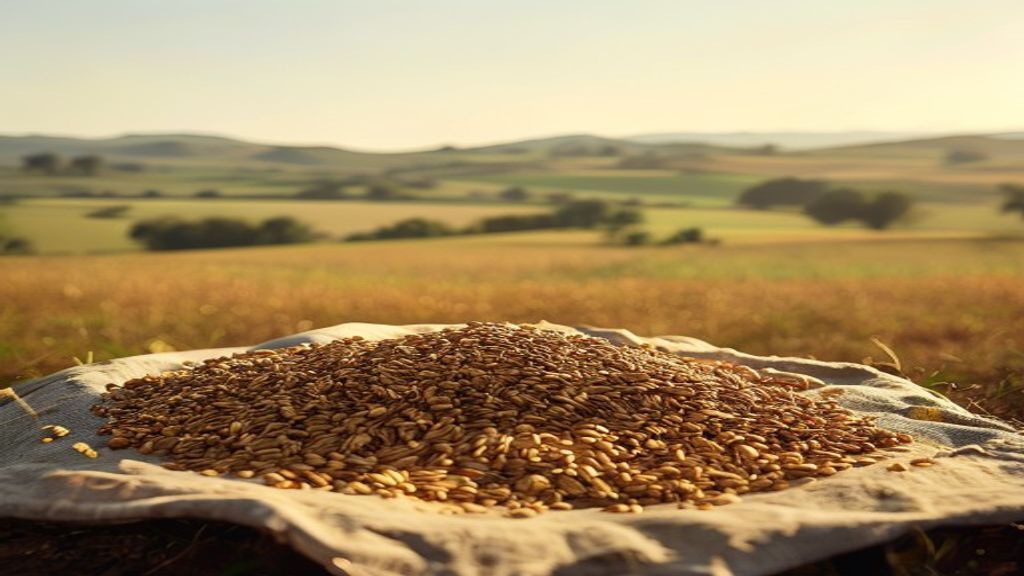
Our organic wheat starts its journey under the watchful eye of our farmers in Mandsaur, Madhya Pradesh, nurtured by healthy, living soil. Once harvested, it travels a short distance to our stone-mill in Ratlam. Here, it undergoes the slow grind, milled in small, controlled batches. This commitment to small batches means we’re not rushing to produce thousands of kilos; instead, we focus on quality, ensuring each batch meets our stringent standards for freshness and purity.
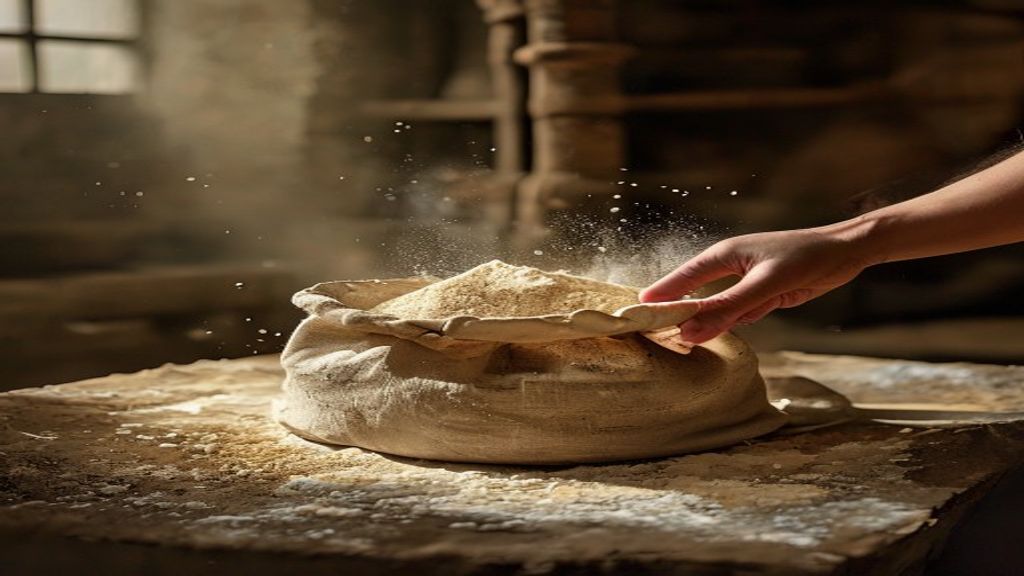
After milling, the atta is carefully packed to preserve its natural goodness and shipped directly to our customers in Bangalore. This direct farm-to-kitchen model, cutting out unnecessary intermediaries and storage times, is another layer of our commitment to freshness. By the time our stone-milled atta reaches your home, it retains the subtle fragrance of freshly ground wheat, a world away from the stale, oxidised smell of mass-produced flours that have sat on shelves for months. We manage the entire chain ourselves because we believe that the integrity of your food shouldn’t be left to chance. Every step, from the farmer's hand in Mandsaur to the rhythmic hum of the chakki in Ratlam, is about delivering uncompromised quality.
The NityaTattva Difference: Taste You Can Truly Feel
When you open a pack of NityaTattva’s stone-milled atta, you’ll notice it immediately. That deep, wholesome aroma of fresh wheat isn't just pleasant; it's a promise of what's inside. When you knead the dough, you'll feel its natural elasticity and absorbency. It might require a little more water than highly refined flours, a testament to its rich fiber content.
And then comes the roti. Soft, pliable, with that characteristic earthy flavour that transports you straight back to the fields. It holds together beautifully, puffs up effortlessly, and tastes genuinely nourishing. This isn't just about making "organic" food; it's about making real food – food that retains its inherent vitality, food that connects you to the earth, and food that genuinely enhances your meal. It's the difference between eating something generic and experiencing the authentic taste of tradition and mindful craftsmanship. This taste, this texture, this feeling of well-being – that's the NityaTattva difference, born from the simple, yet profound, act of the slow grind.
Choosing NityaTattva's stone-milled atta is more than just a purchase; it's an embrace of tradition, a vote for nutrition, and a celebration of true flavour. It's our way of honouring the wheat, the land, and your family's health. We believe that good food takes time, care, and an unwavering commitment to purity, from Mandsaur to Ratlam to your Bangalore kitchen. So, the next time you enjoy a soft, warm roti, remember the quiet strength of the slow grind that brought it to your plate.