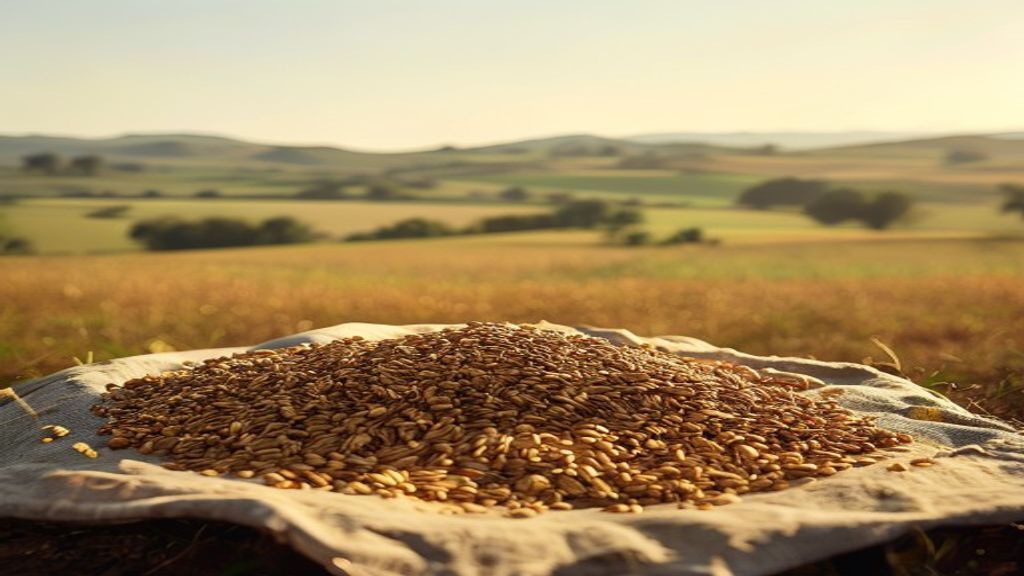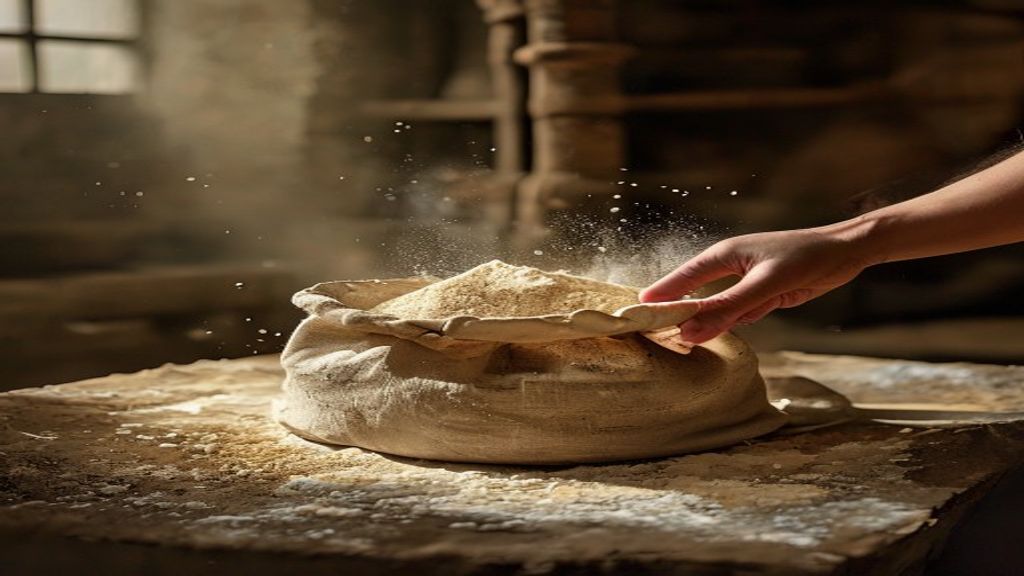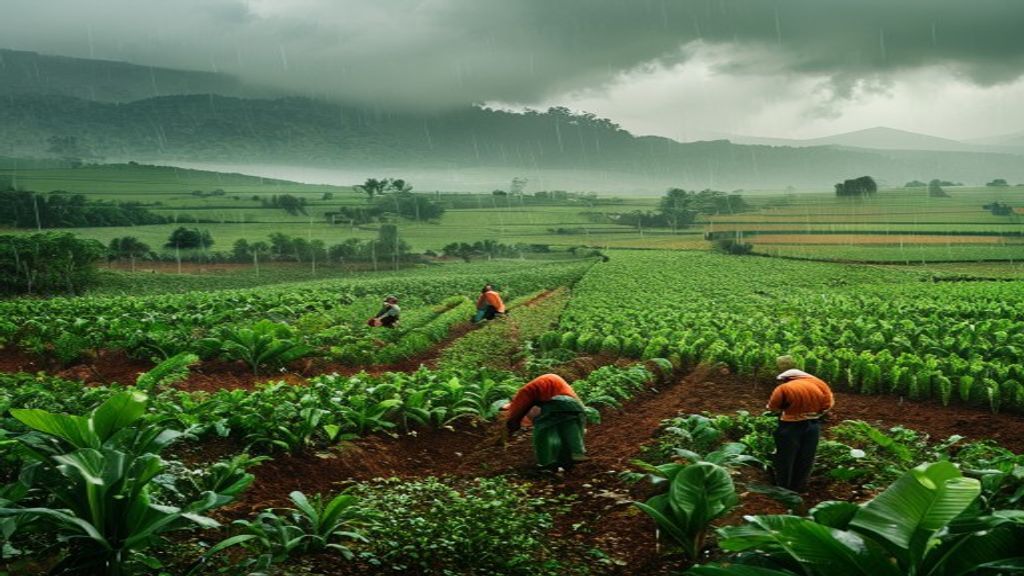
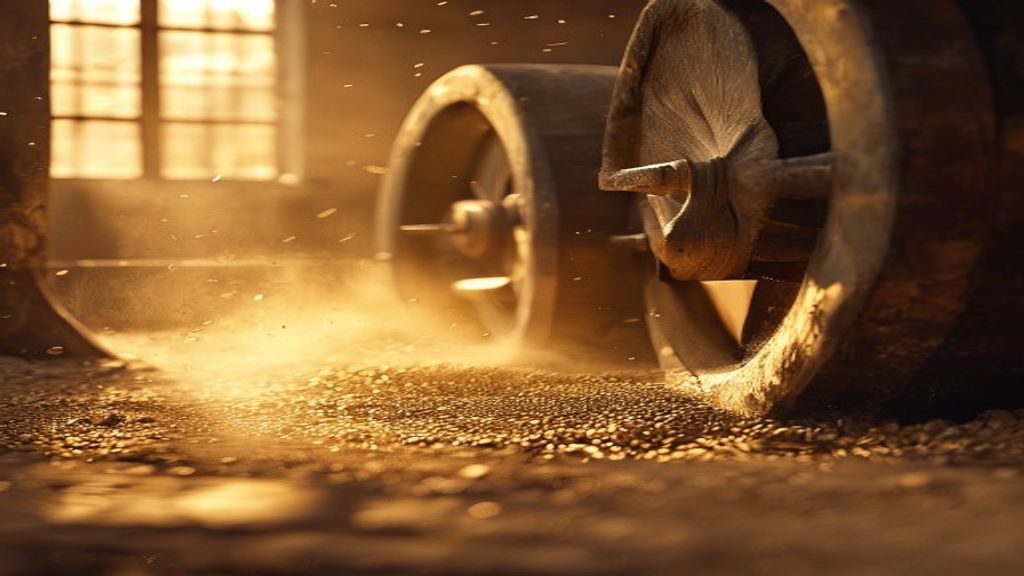
In the heart of India, where fields of golden wheat sway under the sun, there's a tradition that whispers tales of good food and honest living. It's the gentle hum of the chakki, the stone mill, an age-old method we embrace at NityaTattva. In Ratlam, Madhya Pradesh, our wheat — grown with care in Mandsaur — makes a special journey, a quiet revolution in how your everyday atta is made.
You might have heard us talk about stone-milled atta before. But have you ever wondered what truly happens inside those massive stones? What makes this process so different, so profound, that it shapes the very essence of the flour you use for your rotis, parathas, and pooris? Today, we’ll pull back the curtain on the quiet art of stone milling, and why it's at the very heart of NityaTattva's commitment to real food.
The Wheat Kernel: A Tiny Treasure Chest
Before we delve into the milling, let's understand what we're working with. A single grain of wheat is a marvel, a miniature treasure chest packed with life. It has three main parts:
- The Bran: This is the tough outer layer, like the wheat grain’s protective skin. It's rich in fiber, B vitamins, and minerals. Most of its goodness is locked here.
- The Germ: The embryo of the wheat plant, tucked away inside. This is where the magic of life begins. It’s dense with healthy fats, vitamin E, B vitamins, and antioxidants. It's the most nutrient-rich part, but also the most delicate.
- The Endosperm: This is the largest part, making up about 80% of the kernel. It’s primarily starch and protein, providing the energy for the sprouting plant – and for us when we eat it.
Commercial milling practices often strip away the bran and germ, leaving behind mostly the endosperm. But at NityaTattva, our goal is to bring you the whole treasure chest, intact.
The Modern Mill: A Story of Speed and Separation
For generations, stone milling was the only way to make flour. But with industrialization came new technologies designed for speed and scale. The roller mill, made of high-speed steel rollers, became the dominant method.
Here's how it generally works: the wheat kernels are first stripped of their bran and germ, then the remaining endosperm is repeatedly crushed and sifted. This process is very efficient at producing fine, white flour, which has a longer shelf life because the volatile, oil-rich germ (which can go rancid) has been removed.
However, this efficiency comes with a cost. By separating and discarding the bran and germ, a significant portion of the wheat's natural fiber, vitamins, minerals, and healthy fats are lost. The high-speed grinding also generates considerable heat, which can further degrade sensitive nutrients and the delicate oils in the germ. What remains is a product that looks clean and white, but often lacks the full spectrum of flavor and nutrition that nature intended.
The Gentle Dance of the Chakki: NityaTattva's Way
Now, let's talk about our chakki in Ratlam. It’s a world apart. Imagine two massive, heavy stones, often granite or basalt, meticulously cut and grooved. The top stone (the 'runner') slowly rotates over a stationary bottom stone (the 'bed').
- Slow & Steady Wins: Unlike high-speed roller mills, the chakki operates at a much slower pace. This gentle, deliberate movement is crucial. It minimizes heat generation, preventing the precious nutrients from being damaged by excessive warmth.
- Crushing, Not Stripping: As the wheat kernels pass between these grinding stones, they are gently crushed and sheared. The bran, germ, and endosperm are not separated and discarded; instead, they are ground together, harmoniously blended into a single, cohesive flour. This means all the fiber, all the vitamins, all the healthy fats, and all the minerals remain an integral part of your atta.
- The Whole Truth: This integrated milling process ensures that the wheat's natural oils from the germ are released and evenly distributed throughout the flour. It's these oils, along with the fibers and proteins, that give NityaTattva atta its distinctive aroma, its superior texture, and its deeper, more complex flavor. You’re not just getting a part of the grain; you're getting the whole, living grain.
What This Means for Your Bangalore Kitchen
So, what does this gentle dance in Ratlam mean for your everyday cooking in Bangalore?
- Richer Flavor & Aroma: You'll notice it the moment you open a bag of NityaTattva atta. A wholesome, earthy fragrance, not a bland, dusty smell. When you knead the dough, it feels alive. When your rotis hit the tawa, they puff up beautifully, releasing an aroma that truly fills your kitchen.
- Superior Nutrition: Because the bran and germ are retained, our atta is naturally richer in fiber, vitamins (especially B and E), and essential minerals. This means more sustained energy, better digestion, and a truly nourishing meal. No need for artificial fortification when nature's goodness is preserved.
- Better Texture for Your Rotis: The natural oils and fibers in stone-milled atta contribute to a softer, more pliable dough. Your rotis will be softer, stay fresh longer, and have a more satisfying chew. This isn't just about soft; it's about a resilient softness that feels substantial.
- Honest Food, Honest Process: When you choose NityaTattva, you're choosing a process that respects the grain, respects tradition, and respects your health. You're supporting a system that values integrity over industrial shortcuts. From the organic fields of Mandsaur where our wheat is grown, to the gentle chakki in Ratlam, to your kitchen, it's a journey steeped in care.
The NityaTattva Promise: From Our Home to Yours
Our commitment to stone milling is not just about nostalgia; it's about a fundamental belief in the power of real food. It's about ensuring that every bag of NityaTattva atta brings you the full, uncompromised goodness of the wheat grain. We believe that what's good for the soil in Mandsaur, good for the chakki in Ratlam, is ultimately good for your family's table in Bangalore.
Experience the quiet whir of authenticity with every bite. Taste the difference that a gentle, traditional process makes. It’s more than just flour; it's the heart of the grain, preserved just for you.