
The Quiet Strength: How Stone-Milling Preserves Atta's True Goodness (and Your Digestion)
We all grew up with rotis, chapatis, and parathas – the warm, comforting staples of Indian kitchens. But have you ever paused to think about the journey of the wheat grain that becomes your daily atta? At NityaTattva, we believe the way that grain is milled makes all the difference, not just to taste, but to its true goodness, and how your body experiences it.
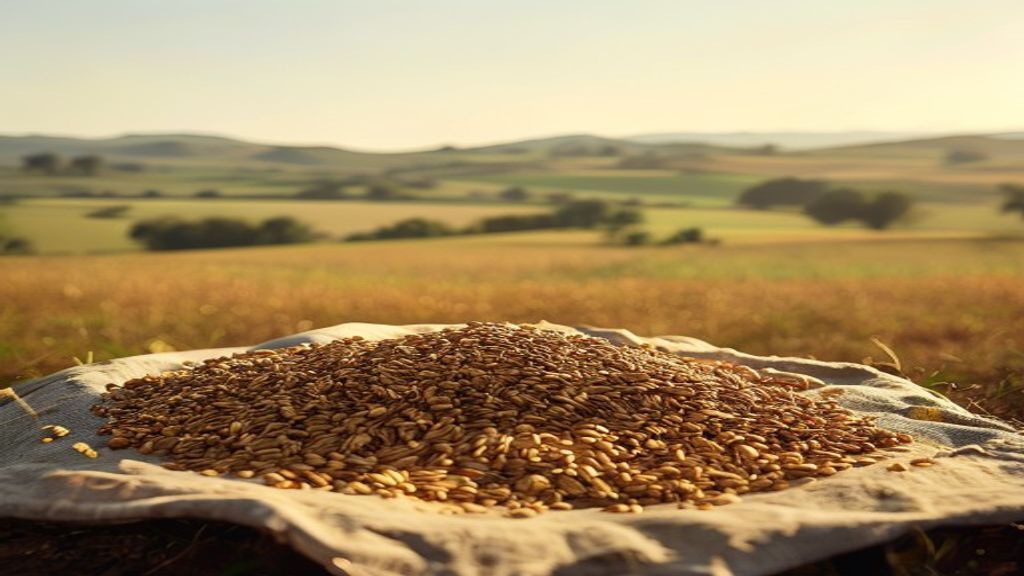
In a world full of quick fixes and industrial efficiency, traditional ways often get overlooked. But when it comes to atta, the old way – stone-milling, or chakki grinding – is a quiet strength that preserves something truly vital: the soul of the wheat, and with it, its natural nutrition and digestibility. Our Mandsaur wheat, grown with care, finds its purpose in the stone mills of Ratlam, not just because it's tradition, but because it's genuinely better.
The Grinding Truth: Roller Mills vs. Our Chakki
To understand why stone-milled atta is special, let’s briefly look at its counterpart: industrially produced roller flour.
Most commercially available atta today comes from large-scale roller mills. These mills use high-speed metal rollers that quickly separate the wheat grain into its components: the bran (the outer protective layer), the germ (the embryo of the seed, rich in nutrients and oils), and the endosperm (the starchy inner part). The bran and germ are often removed entirely or in large part because their oils can shorten shelf life, and their fibrous nature makes for a "less refined" flour. This process also generates significant heat, which can degrade sensitive nutrients. The result? A finer, whiter flour with a longer shelf life, but at a cost.
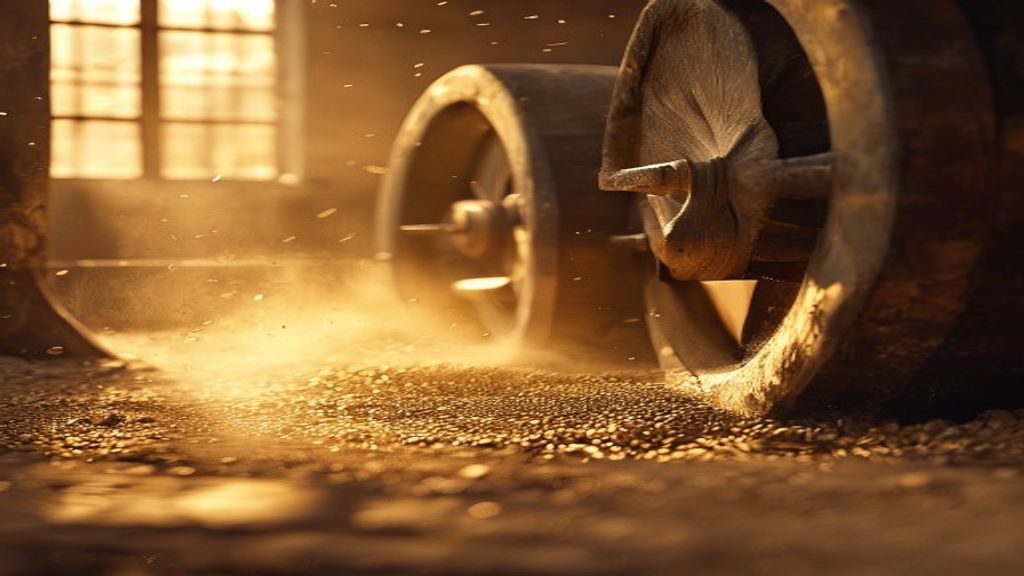
Now, imagine our stone mills in Ratlam. Here, we use traditional chakki stones, turning slowly, gently grinding the whole wheat grain. This slower process generates minimal heat, ensuring that all parts of the wheat kernel – the bran, germ, and endosperm – are ground together into a complete, wholesome flour. Nothing is added, nothing is taken away. It’s the entire grain, just in a different form.
The Nutrient Powerhouse: What Roller Mills Strip Away (and Chakki Keeps)
The beauty of whole wheat is in its completeness. Each part of the grain plays a crucial role:
- The Bran: This outer layer is a treasure trove of dietary fiber. Fiber is essential for a healthy digestive system, helping regulate bowel movements and supporting a balanced gut microbiome. It also contributes to a feeling of fullness, which can be helpful for managing appetite.
- The Germ: This is the heart of the wheat kernel, packed with essential nutrients. It’s rich in B vitamins (like B1, B2, B3, B6, and folate), which are vital for energy metabolism and nervous system function. The germ also contains healthy unsaturated fats, vitamin E (a powerful antioxidant), and various minerals such as zinc, magnesium, and selenium.
- The Endosperm: While primarily starchy, the endosperm also contains protein and some vitamins and minerals.
When roller mills remove the bran and germ, they strip away the majority of the fiber, essential vitamins, minerals, and healthy fats. What's left is mostly the starchy endosperm, which, while providing energy, lacks the full nutritional symphony of the whole grain. This is why many commercially processed flours are "enriched" – manufacturers try to add back some synthetic vitamins, but it's never quite the same as the naturally occurring complex found in whole wheat.
Our NityaTattva chakki atta, by contrast, retains all of these vital components. The resulting flour is a nutritional powerhouse, delivering natural fiber for digestion, B vitamins for energy, antioxidants for cellular health, and essential minerals your body needs.
Beyond Nutrients: Real Taste, Texture, and Digestibility
The difference isn't just on paper; it's something you can taste, feel, and experience in your body.
- Taste and Aroma: Whole, stone-milled atta has a distinctive, slightly nutty, earthy flavor and a rich aroma that refined flours simply cannot match. This is due to the natural oils in the germ and the complex compounds in the bran. When you make a roti with our atta, you'll notice a more profound, satisfying taste that speaks of genuine grain.
- Texture and Dough: The presence of the bran and germ gives stone-milled atta a slightly coarser texture. This also means the dough absorbs water differently. It might require a little more kneading and a slightly longer resting time, but the resulting rotis are often softer, more pliable, and have a rustic character that industrial flour struggles to replicate. The natural elasticity comes from the intact gluten structure, which hasn't been overheated or stripped.
- Digestibility and Satiety: This is perhaps the most significant benefit for many. The high fiber content in NityaTattva's chakki atta aids digestion. Fiber helps to slow down the absorption of sugar, preventing sudden spikes, and promotes a feeling of satiety, keeping you full longer. Many people find that stone-milled atta feels "lighter" and causes less digestive discomfort than highly refined flours, precisely because their bodies are designed to process the whole, intact grain. It's easier on your gut, allowing your system to work as nature intended.
From Our Ratlam Mill to Your Roti
Our commitment to stone-milling in Ratlam is a deliberate choice. It's part of NityaTattva's larger promise: to bring you organic food that is as close to its natural state as possible. The wheat we use is grown organically by farmers around Mandsaur, ensuring it starts pure. Then, in Ratlam, it's milled in small batches. This traditional process isn't just about nostalgia; it’s about science, nutrition, and respect for the food we eat.
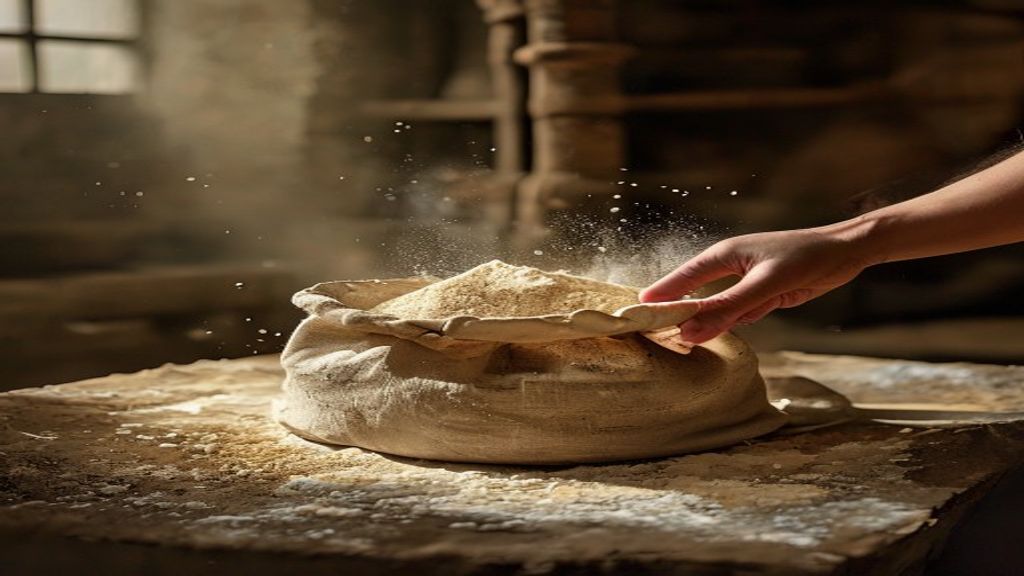
When you choose NityaTattva's stone-milled chakki atta, you’re not just buying flour. You're bringing home the full spectrum of nature's goodness, ensuring your rotis are not just delicious but genuinely nourishing, supporting your well-being with every bite. It’s food made with intention, from our fields to your kitchen in Bangalore, preserving the quiet strength of real, wholesome grain.