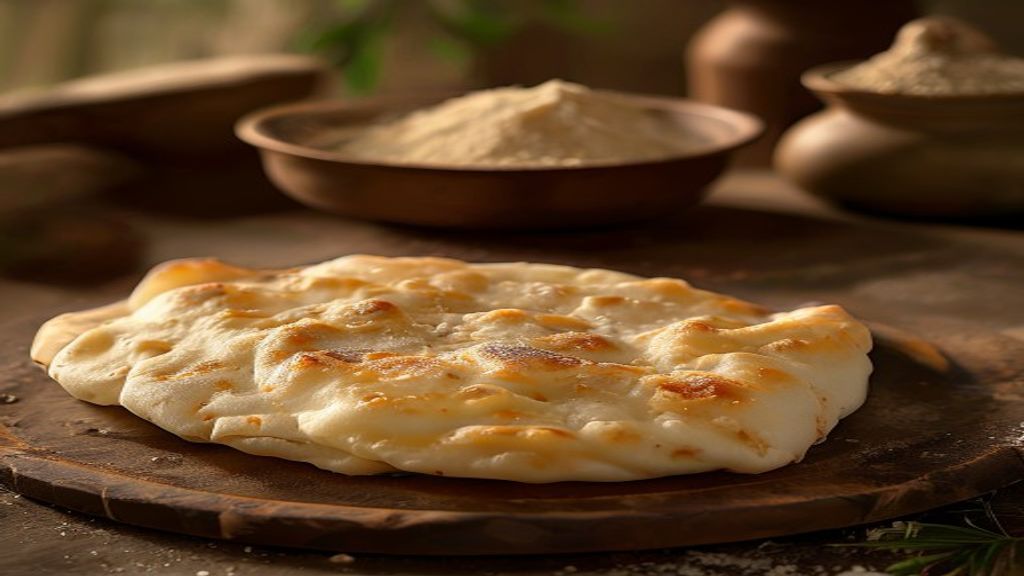
Every Indian home knows the rhythm of the tawa, the sizzle of a freshly rolled roti, and the satisfying puff that signals a meal is truly ready. For many of us, the roti isn't just a flatbread; it's a staple, a comfort, a daily ritual. But have you ever noticed how some rotis are simply better than others? Softer, more pliable, with a distinct, earthy aroma that speaks of pure goodness?
At NityaTattva, we believe the secret lies not just in the hands that knead the dough, but in the very soul of the flour itself. Our stone-milled atta, crafted with care in Ratlam from the finest organic wheat grown in Mandsaur, isn't just flour—it's an experience. It's the gentle touch that transforms your everyday roti from good to truly exceptional.
The Heart of the Atta: Understanding Stone-Milling
In our hurried modern lives, much of what we consume has been streamlined for efficiency. Wheat flour, too, often falls into this category. Most commercial atta is produced using high-speed roller mills. These machines are incredibly efficient at separating the wheat grain into its components: the bran (outer layer), the germ (embryo), and the endosperm (starchy inner part). The bran and germ, rich in fiber, oils, and nutrients, are often removed or added back in specific proportions, leading to a standardized product.
But at NityaTattva, we cherish tradition and the wisdom of our ancestors. Our atta is stone-milled, just like it has been for centuries, using traditional chakki mills in Ratlam. This slower, gentler process is crucial. Instead of tearing the grain apart, the stones slowly grind the entire wheat kernel. This ensures that all three parts—the bran, germ, and endosperm—are ground together harmoniously. The natural oils from the germ are slowly released and mixed throughout the flour, giving it a slightly coarser, yet incredibly nourishing texture.
This isn't just about nostalgia; it's about preserving the integrity of the grain. When the germ and bran are retained and integrated naturally, the atta holds more of its inherent goodness, its natural flavour, and its living essence. This is the foundation upon which truly exceptional rotis are built.
The Science of Softness and Texture
You might wonder how a 'coarser' atta can lead to a softer roti. It's a beautiful paradox of nature. When you knead dough from NityaTattva's stone-milled atta, you'll notice it feels different. The presence of the natural bran and germ means the flour absorbs water a little differently, often requiring a touch more hydration than highly refined flours. But here's the magic:
- Better Hydration, Better Dough: The slight coarseness helps the flour hold water more effectively, leading to a dough that is deeply hydrated from within. This translates to a dough that is more pliable and easier to work with.
- Elasticity with a 'Bite': The slower grinding process ensures that the gluten structure in the wheat isn't overworked or denatured by heat, as can happen with high-speed milling. This results in a dough that has excellent elasticity, allowing your rotis to puff up beautifully on the tawa. When cooked, this elasticity gives the roti a wonderful 'bite' – it's soft, but not flimsy or rubbery. It holds its shape, making it perfect for scooping up curries.
- Lasting Freshness: The natural oils and moisture retained in the stone-milled atta contribute to rotis that stay soft and fresh for longer, even hours after cooking. No more stiff, dry rotis at the dinner table!
The Aroma and Taste: A Feast for the Senses
Beyond texture, the most striking difference you'll notice with NityaTattva's stone-milled atta is in its aroma and taste. Open a pack, and you'll be greeted by the honest, earthy scent of real wheat – a fragrance that often gets lost in more processed flours. This comes directly from the retained germ and bran, which carry the true essence of the grain.
When your roti puffs up on the tawa, that delightful aroma fills your kitchen, promising a wholesome and satisfying meal. And the taste? It's nuanced, slightly nutty, and deeply satisfying. It's the taste of pure, unadulterated wheat, grown organically in the fertile soils of Mandsaur. It doesn't just act as a carrier for your curries; it contributes its own subtle, yet profound, flavour to the meal.
This authentic flavour profile means your food tastes more real, more grounded. It’s a connection to the earth, to the farmers in Mandsaur who nurture our wheat, and to the traditional chakki millers in Ratlam who ensure its integrity.
Tips for Your NityaTattva Atta Rotis
To get the best out of your NityaTattva stone-milled atta, here are a few gentle suggestions:
- Hydration is Key: Don't be shy with water. Our atta might absorb a little more water than you're used to. Add water gradually, kneading until you achieve a soft, pliable dough. It should be firm enough to handle but yield easily to the touch.
- Rest the Dough: Give your dough at least 20-30 minutes to rest after kneading. This allows the gluten to relax and the flour to fully hydrate, leading to even softer rotis.
- Knead with Love: The natural oils in our atta make it a joy to knead. Spend a few extra minutes working the dough until it's smooth and elastic. Your hands are the best judge of its readiness.
- Heat it Right: A properly heated tawa is essential. Once your tawa is hot, cook your rotis on medium-high heat, flipping them quickly for that perfect puff.
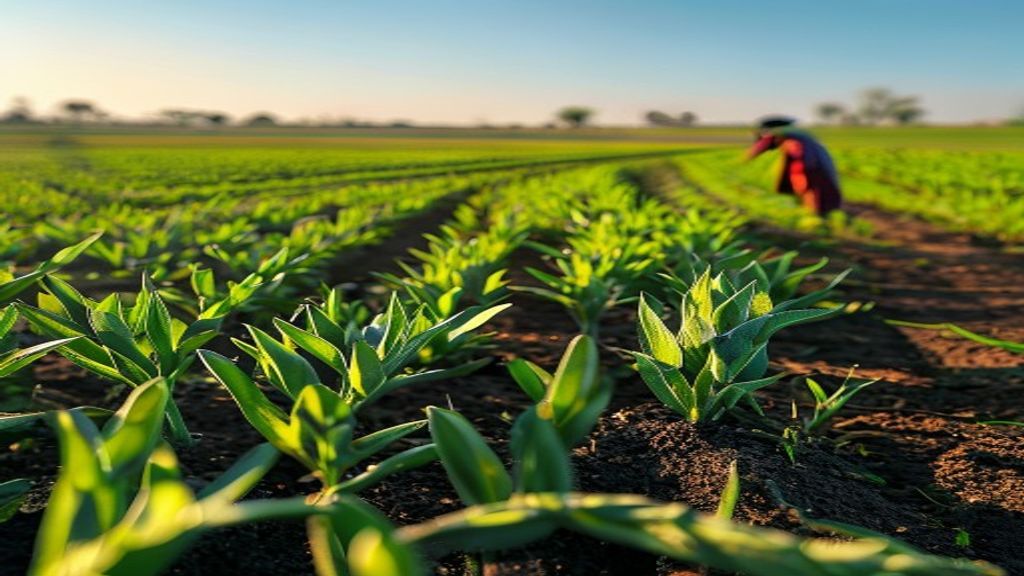
From the sun-drenched fields of Mandsaur, through the gentle hum of the chakki in Ratlam, to your Bangalore kitchen – every step of NityaTattva's journey is about preserving the honesty and goodness of real food. Our stone-milled atta is more than just an ingredient; it's an invitation to experience the true essence of a wholesome meal.
We invite you to feel the difference in your hands, smell the difference in your kitchen, and taste the difference at your table. Rediscover the simple joy of a truly perfect roti, made with the gentle touch of NityaTattva.