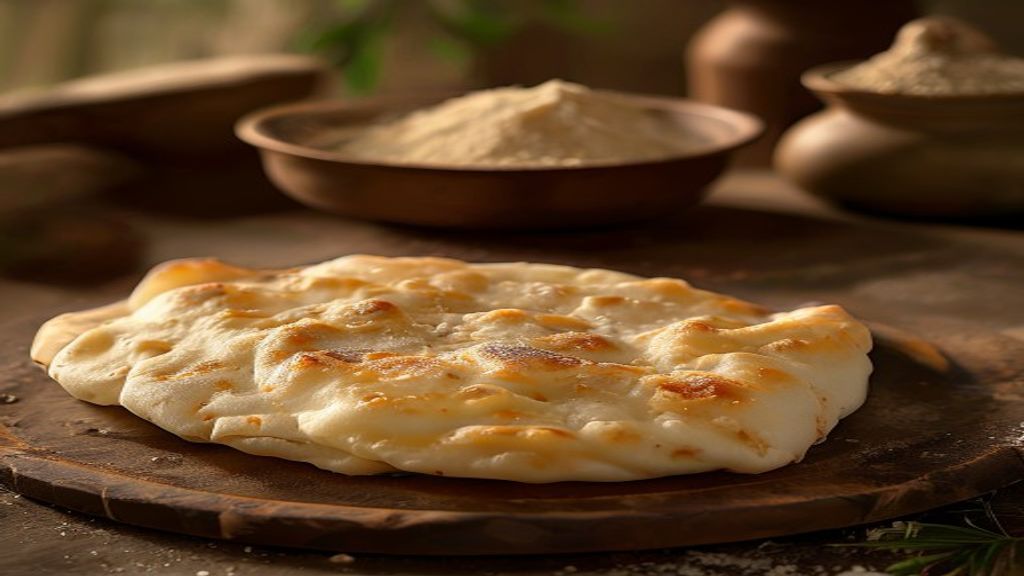
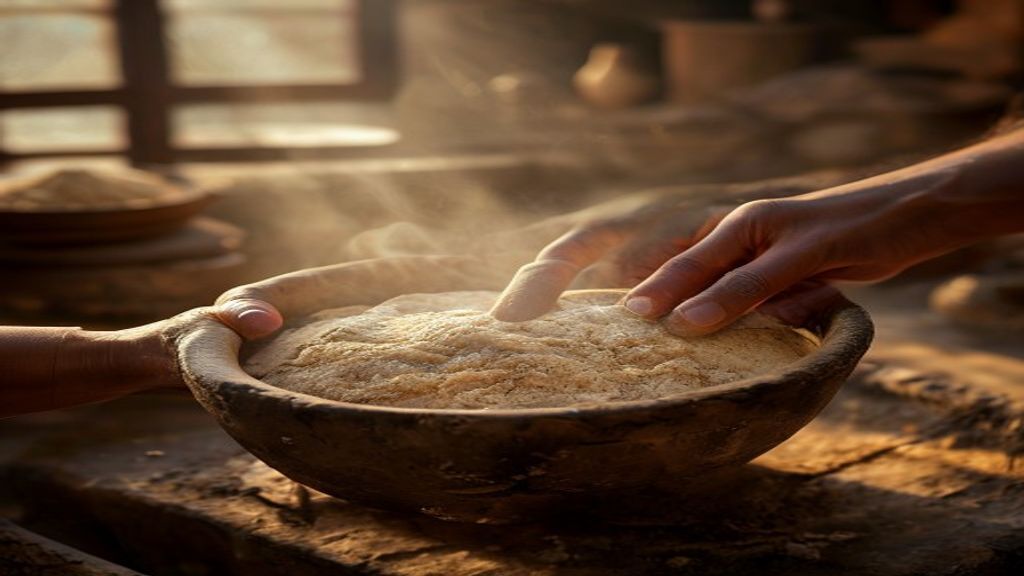
A fresh, warm roti, puffed up like a secret whispered from the tawa, is more than just food; it’s a daily comfort, a staple that holds our meals and our memories. For us at NityaTattva, creating the foundation for that perfect roti starts far away from your Bangalore kitchen, amidst the rich soil of our Mandsaur farms and the steady hum of the stone mill in Ratlam.
We pour our heart into bringing you true stone-milled (chakki) atta – the kind that remembers its roots. But this traditional flour behaves a little differently than the refined, roller-milled varieties many are used to. And understanding these nuances is the secret to unlocking its full, wholesome potential in your kitchen. So, pull up a chair, let's talk about the art of the roti, NityaTattva style.
Understanding Your Atta: It's Alive!
Think of our atta not just as flour, but as living flour. When wheat is stone-milled, the grains are gently crushed between two heavy stones. This slower, cooler process preserves the entire grain – the bran, the germ, and the endosperm. What does this mean for your cooking?
- Natural Oils & Nutrients: Unlike roller-milled flour, which strips away the nutrient-rich germ and its natural oils for a longer shelf life, our stone-milled atta retains them. These oils contribute to the atta's unique flavour and aroma, giving your rotis that earthy, wholesome taste you often miss.
- Texture with Character: You might notice a slightly coarser texture compared to very fine, powdery flours. This is because the bran particles are present. Embrace this; it’s a sign of true whole wheat.
- Freshness Matters: Our atta isn't sitting on shelves for months. It's milled in small batches and sent fresh from Ratlam to Bangalore. This freshness means it's vibrant and responsive, but also requires a slightly different approach to hydration.
The Secret's in the Water: Hydration and Kneading
This is where many first-time users of traditional atta find the biggest difference. Stone-milled atta, with its complete bran and germ content, tends to absorb water differently – often needing a little more, but also requiring you to add it slowly and deliberately.
- Add Water Gradually: Start with about half the flour's weight in water, then add tablespoon by tablespoon. Mix with your hands. You're aiming for a soft, pliable dough that's not sticky. Listen to your atta; it will tell you what it needs. Don't rush this step.
- Gentle, Consistent Kneading: Unlike a wrestling match, kneading stone-milled atta is more like a gentle dance. Push, fold, turn. The goal isn't brute force but consistent, rhythmic pressure to develop the gluten. This gives the rotis their structure and helps them puff up. Knead for about 8-10 minutes until the dough feels smooth and elastic. It should spring back slowly when you press it gently.
- The Warmth of Your Hands: Feel the dough warm under your hands as you knead. This warmth helps activate the gluten and makes the dough more workable. It’s a connection to your food that industrial processes just can’t replicate.
Patience, My Friend: The Power of Resting
Once your dough is kneaded to perfection, resist the urge to start rolling immediately. This resting period is non-negotiable for traditional atta, and it's where the magic truly happens.
- Why Rest? Resting allows the flour to fully hydrate and the gluten to relax. This makes the dough much easier to roll out, prevents it from shrinking back, and results in rotis that are softer, more pliable, and more likely to puff up beautifully.
- How to Rest: Place your kneaded dough ball in a bowl, cover it with a damp cloth or lid to prevent it from drying out, and let it rest at room temperature for at least 20-30 minutes. Some even prefer an hour, especially in cooler weather. This small wait makes a world of difference.
Rolling with Grace: Evenness is Key
With a well-rested dough, rolling becomes a joy. The dough should feel supple and cooperative.
- Portioning: Divide the dough into equal-sized balls, about golf-ball size, depending on how large you like your rotis.
- Minimal Dusting: Use just enough dry atta for dusting to prevent sticking. Too much will make your rotis tough.
- Even Pressure: Roll out each ball into a uniform disc, about 6-7 inches in diameter. The key is even thickness – this ensures the roti cooks uniformly and puffs up properly. Rotate the dough frequently, using light, even pressure from the centre outwards.
The Dance on the Tawa: Cooking Your Roti
Your tawa is the final stage of your roti’s journey from our farms to your plate. Getting the heat right is crucial.
- Preheat Your Tawa: Heat a flat tawa (iron or non-stick) over medium-high flame. It should be hot enough for a drop of water to sizzle and evaporate quickly, but not smoking.
- First Side: Place the rolled roti on the hot tawa. Cook for about 30-45 seconds until you see small bubbles appearing on the surface and the edges start to look dry.
- Second Side: Flip the roti. Cook this side for another 45-60 seconds. You’ll see more bubbles forming, and some brown spots might appear.
- The Puff: Now, for the moment of truth! You can either flip it directly onto a high flame (if you have a gas stove) or gently press the edges with a clean cloth or spatula. Watch it puff up, almost magically, like a balloon. This puff indicates that the roti is cooked through, light, and airy.
- Don't Overcook: Once puffed, remove it from the tawa. Overcooking will make your rotis dry and stiff.
Keeping it Fresh: Storing Your Atta
Because NityaTattva's atta retains its natural oils, proper storage is important to maintain its freshness and prevent rancidity.
- Airtight is Right: Always store your atta in a cool, dry, airtight container. This protects it from moisture, pests, and exposure to air which can degrade those precious natural oils.
- Cool Place: A pantry or cupboard is ideal. Avoid direct sunlight or warm spots near the stove.
- Small Batches: If you buy larger quantities, consider storing a smaller working amount in your kitchen and the rest in the fridge for extended freshness, especially in humid climates.
The NityaTattva Promise: More Than Just Flour
When you master the art of cooking with NityaTattva's stone-milled atta, you're not just making a meal; you're participating in a cycle of honest, organic living. You're tasting the difference that comes from soil nurtured without chemicals, wheat grown with care in Mandsaur, and flour milled with integrity in Ratlam, delivered fresh to your kitchen in Bangalore.
The slightly earthy aroma, the wholesome texture, the satisfaction of a roti that puffs with pride – these are the subtle rewards of choosing food that’s made with thought and tradition. Experiment with different water levels, feel the dough respond to your touch, and enjoy the journey. Because at NityaTattva, every simple meal is an opportunity to connect with something real, something truly nourishing.